Skip to Content
Oregon's Trusted Commercial Landscape Partner Since 1974
Top

FAQ

Filter by Keyword or Category
  • Commercial

    • What Are the Benefits of Native Plant Landscaping?

      Choosing native plant landscaping supports lower maintenance costs and conserves natural resources. Native plants grow well in local soils, reducing the need for fertilizers and frequent watering. They also create wildlife habitats and contribute to ecosystem health. DeSantis Landscapes uses local plant species to help commercial properties achieve vibrant, environmentally conscious landscapes.

    • Why Is Professional Maintenance Important for My Landscape?

      Professional maintenance is essential for preserving the health, aesthetics, and functionality of your landscape. Regular maintenance promotes plant health, enhances curb appeal, and can prevent issues such as pest infestations or disease. Professionals at DeSantis Landscapes plan maintenance schedules that honor seasonal changes and local climate conditions, applying sustainable methods like composting and mulching to keep your landscape thriving year-round.

    • How Does DeSantis Landscapes Approach Eco-Friendly Landscaping?

      At DeSantis Landscapes, we use sustainable methods and advanced technology to transform outdoor areas. We start by assessing a site’s ecological needs, then design plantings that boost natural habitats and cut down on resource use. Our crews apply bio-retention and permeable materials that handle stormwater naturally. Every landscape brings both beauty and environmental benefits.

    • What Should I Consider When Planning a Landscape Project in Oregon?

      When planning a landscape project, it's important to consider the local climate, soil types, and native vegetation to ensure the sustainability of your landscape. Salem's climate, known for wet winters and dry, warm summers, means selecting drought-resistant and native plants can significantly reduce water usage and enhance the longevity of your garden. It's also wise to incorporate smart irrigation systems to optimize water use. Furthermore, making strategic use of seasonal color can enhance aesthetic appeal year-round. Working with DeSantis Landscapes can help navigate these decisions, leveraging our local knowledge and sustainable practices.
    • How Do Sustainable Landscaping Practices Benefit My Property?

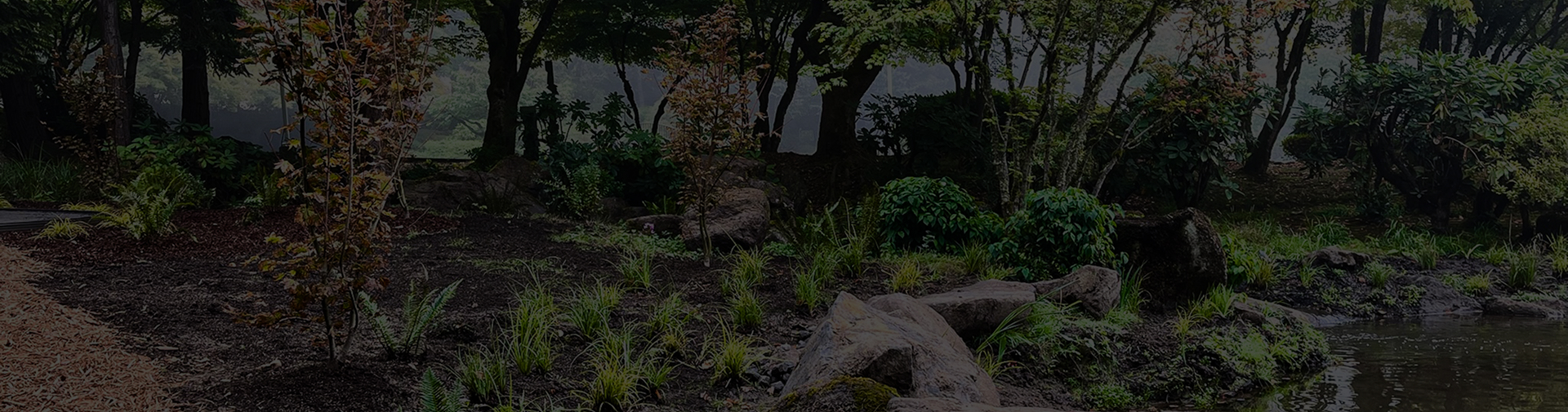
      Sustainable landscaping practices are designed to be beneficial both environmentally and economically. By incorporating native plant species and efficient irrigation systems, you can reduce water usage, lower maintenance costs, and create a habitat that supports local wildlife. Additionally, sustainable designs often incorporate elements that improve soil health and promote biodiversity, which can lead to more resilient plant life. At DeSantis Landscapes, we understand the unique ecological needs of the Salem area and employ techniques that enhance the natural beauty and functionality of your property, ensuring long-term value and ecological benefits.

    • How Can I Keep My Lawn Healthy During Oregon's Dry Summer?

      Maintaining a healthy lawn during Oregon's dry summer requires adaptation to the local climate. Implementing a smart irrigation system can help optimize water usage by adjusting based on real-time weather conditions, ensuring your lawn receives sufficient moisture without wastage. Utilizing drought-resistant grass varieties and applying organic fertilizers that require less water can also be beneficial. DeSantis Landscapes provides tailored solutions such as soil amendments and proper mowing techniques to keep your lawn lush and green, even during dry spells.

    • Are There Specific Regulations in Oregon That Affect Landscaping Projects?

      Yes, there can be specific regulations in Oregon that may impact landscaping projects. Local ordinances can govern elements such as water usage, tree removal, and the use of pesticides. Understanding these regulations is critical for compliance and securing necessary permits. DeSantis Landscapes stays informed about these local laws and guides clients through the nuances of regulation compliance, ensuring that projects adhere to all local standards while achieving outstanding results.

    • What Considerations Are Important for Commercial Landscaping in Oregon?

      When planning a commercial landscaping project in Oregon, you need to account for the area’s distinct climate, native plants, and city regulations. Because Oregon sees heavy rain and dry summers, we recommend using drought-tolerant and native plants to create landscapes that thrive with less maintenance. It’s also vital to know Oregon’s local codes for water usage and conservation. Efficient water management techniques, including smart stormwater solutions, can help your property comply while still looking its best.

    • What Types of Commercial Properties Can Benefit from Advanced Landscaping?

      Office parks, shopping centers, and industrial sites all see value in advanced landscaping. Custom landscape plans can improve employee morale, draw more customers, and reinforce business values. Green spaces improve curb appeal, while smart design features strengthen day-to-day operations. DeSantis Landscapes reviews each property’s goals to design spaces that look great and work hard for every client.

    • How Does Local Climate Influence Landscaping Choices?

      In Salem, climate directly impacts plant selection and landscape success. Wet winters require strong drainage solutions, while dry summers need tough, adaptable plants that use less water. DeSantis Landscapes uses climate-friendly plantings and strategies to keep outdoor areas looking sharp no matter the season.